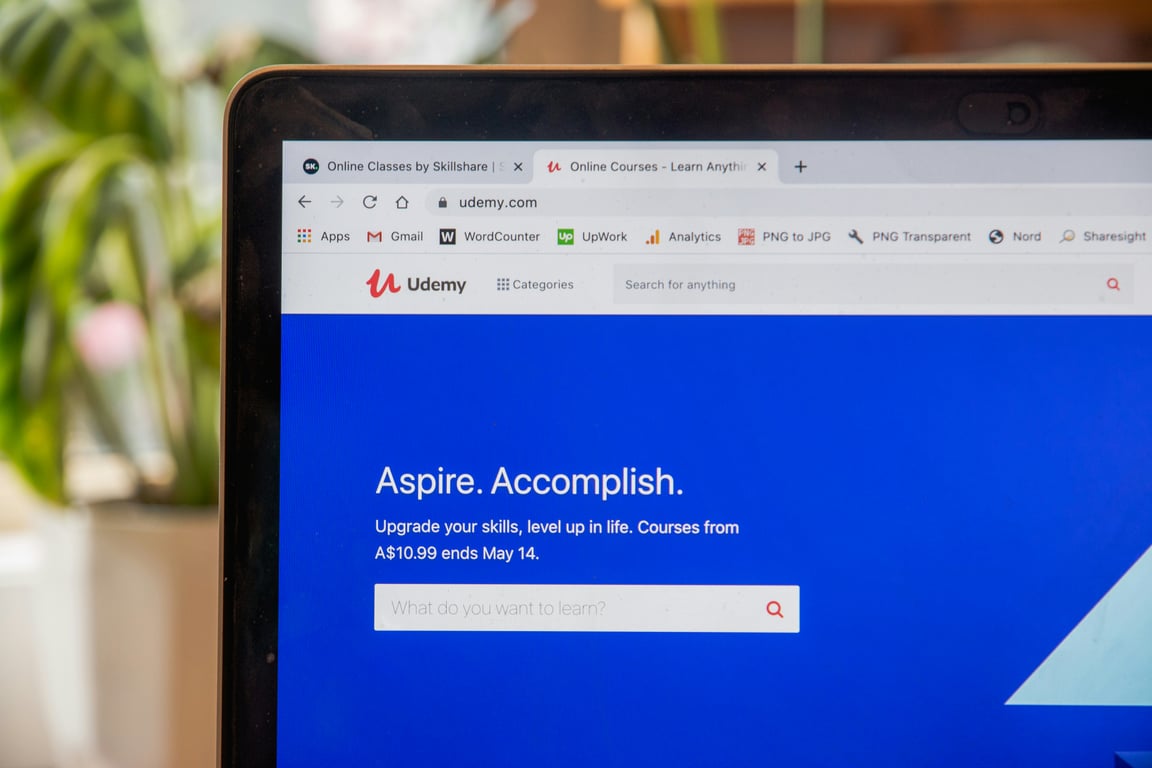
Udemy vs. Your Own Website: Where Should You Sell Your Online Course?
Udemy vs. Your Own Website: Where Should You Sell Your Online Course?
When you're ready to launch your online course, one of the most crucial decisions you'll face is choosing the right platform. Should you go with an established marketplace like Udemy or build your own website? This choice can significantly impact your success as a course creator, especially if you're just starting out.
The Marketplace Advantage: Why Udemy Works for Beginners
For new course creators, Udemy offers several compelling advantages:
- Built-in audience: Udemy boasts over 40 million students actively searching for courses to take. This existing traffic means you don't have to build an audience from scratch.
- No marketing required: If marketing isn't your strength, Udemy's organic search and promotional systems can get your course in front of potential students without you spending a dime on ads.
- Simple setup: The platform handles all the technical aspects—hosting, payment processing, and course delivery—letting you focus solely on creating content.
- Quick validation: You can quickly test if your course topic has market demand without investing heavily in website development and marketing.
The Biggest Mistake New Course Creators Make
The number one mistake I see beginners make is building their own platform too soon. Many aspiring course creators spend thousands of dollars and countless hours developing a sophisticated website, only to launch to crickets because they have no audience to sell to.
This "if you build it, they will come" mentality leads to frustration and burnout. Without traffic, even the most beautifully designed course platform becomes an expensive digital ghost town.
When Your Own Website Makes Sense
While Udemy is ideal for beginners, hosting courses on your own website offers significant benefits as you grow:
- Higher profit margins: Keep 100% of your revenue instead of sharing up to 75% with Udemy during promotions.
- Complete brand control: Design your course environment to reflect your unique brand and teaching style.
- Direct student relationships: Own your student data and communicate directly without platform restrictions.
- Pricing flexibility: Set your own pricing strategy without marketplace limitations or forced discounts.
The Hybrid Approach: Maximizing Both Worlds
The smartest strategy for many course creators is actually a hybrid approach:
- Start on Udemy to validate your course idea and build initial momentum without marketing costs.
- Create a simplified version of your course for Udemy while reserving your premium, comprehensive version for your own platform.
- Use Udemy as a lead generator by mentioning your website (within platform guidelines) and offering complementary resources.
- Build your email list while your Udemy course generates revenue, preparing for an eventual transition to your own platform.
Making Your Decision: Key Questions to Ask Yourself
To determine the right platform for your circumstances, ask yourself:
- Do you already have an engaged audience ready to buy from you?
- Are you comfortable with marketing and driving traffic to your courses?
- Do you have the technical skills or resources to build and maintain your own platform?
- How important is maintaining full control over pricing and branding?
If you answered "no" to most of these questions, Udemy is likely your best starting point.
The Bottom Line
For beginners with limited marketing experience and no existing audience, Udemy provides the path of least resistance to launching your first successful course. You can always transition to your own platform later as you build skills and an audience.
Remember: The most important step is getting your knowledge out there where it can help others. Don't let platform paralysis prevent you from sharing your expertise with the world.
What platform are you considering for your online course? Let me know in the comments!